Best Time to Paint Your House Exterior in Dorset: Seasonal Guide for Poole, Bournemouth and Beyond
Wondering when to paint your house exterior in Dorset? We explain the best seasons, what weather to avoid, and how to get a free quote from KC Decorators.

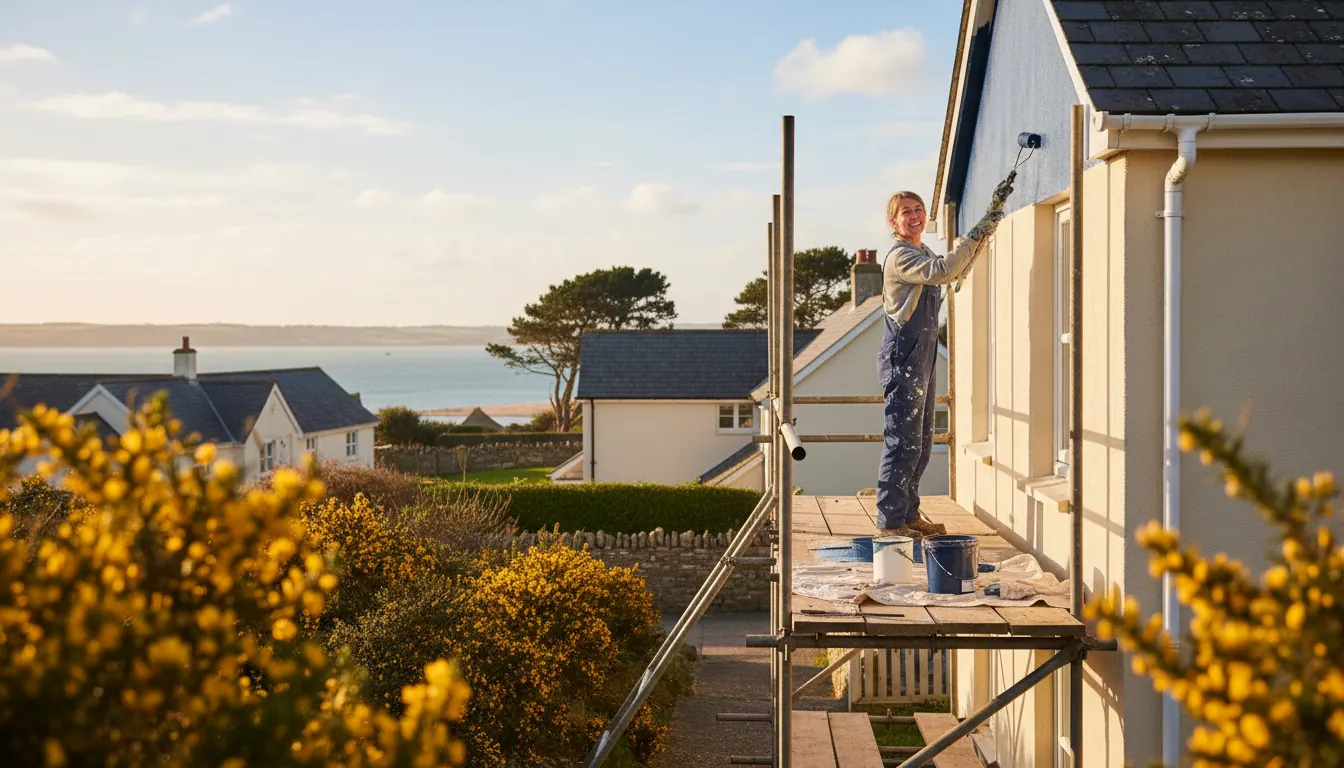
Timing your exterior painting right makes all the difference in coastal Dorset
Coastal weather has a way of catching people out. You book the job, the paint arrives, and then three days of sea mist roll in off Poole Harbour. The finish lifts, the drying time doubles, and the whole project feels like a gamble. It does not have to be that way. Getting the timing right is one of the most practical things you can do before a single brush touches your render or timber.
We cover Poole, Bournemouth and across Dorset, including Wareham, Broadstone, Parkstone, Canford Heath, Hamworthy, Christchurch and Ferndown. Every one of those locations sits close enough to the coast or the heathland to feel the effects of Dorset's changeable climate. This guide explains what we look for when planning exterior painting, and how to pick the window that gives your home the best possible result.
Why the Dorset climate makes timing especially important
Most of England deals with rain and temperature swings. Dorset gets that, plus salt air, coastal humidity and the kind of rapid weather changes that come with living close to the Channel. Properties in Hamworthy, Canford Heath and along the Poole shoreline face salt-laden winds that can work their way into a fresh paint film before it has properly cured. That is not a small issue. Paint that cures slowly, or in damp conditions, can blister, peel or chalk within a season rather than lasting for years.
The key factors we always assess before starting exterior work are:
- Temperature. Most exterior paints need the surface and the air temperature to be above 10°C. Below that, the paint thickens, adhesion suffers and drying times stretch out unpredictably.
- Humidity and moisture. Damp surfaces are the enemy of a good bond. Walls that have absorbed overnight rain, or that are still cold enough to hold condensation in the morning, need time to dry out before we start.
- Wind. A gentle breeze actually helps drying. Strong coastal gusts carry dust, salt and debris that settle into wet paint and ruin the finish.
- Sunlight direction. Painting in direct, hot sun can cause the surface to dry too fast, leaving brush marks and lap lines. We work around the building to stay in the shade where possible.
The best window: late spring through early autumn
For most homes in Poole and Bournemouth, the reliable exterior painting season runs from late April through to September. Within that window, May, June and early September tend to offer the most consistent conditions. Summer itself is often the most popular time to book, which means it fills up quickly.
Late April to June brings longer days, rising temperatures and lower rainfall. Surfaces that have dried out after winter are in good condition for preparation and painting. This period is particularly good for north-facing walls and shaded elevations that can stay damp well into spring.
July and August are warm and mostly dry, but the heat can work against you on south-facing walls. We plan those elevations for early morning or late afternoon when the surface temperature has dropped a little.
September is often overlooked, but it is genuinely one of the best months for exterior work across Dorset. Temperatures are still comfortable, humidity tends to drop after the summer peak, and the frantic summer booking rush has passed. If your property in Christchurch, Ferndown or Broadstone needs attention, September is well worth considering.
What to avoid: autumn rain and winter cold
From October onwards, the risks multiply. Dorset autumns bring frequent rain, falling temperatures and shorter drying windows between showers. By November, overnight temperatures regularly drop close to or below the safe threshold for most exterior paints. We do not take on exterior painting in conditions that would compromise the finish. It is simply not worth it for you or for us.
Winter exterior work is occasionally possible during a dry, mild spell in November or even December, but those windows are short and unreliable in coastal Dorset. Booking exterior painting in winter is a gamble that rarely pays off. Far better to plan ahead, get on the calendar for spring, and start the season with a properly prepared surface.
What good preparation looks like before we paint
The painting itself is only part of the job. Preparation is where a lasting finish is won or lost. Before we apply a single coat to any exterior surface in Poole, Bournemouth or across Dorset, we work through a thorough prep process.
That includes:
- Cleaning down the surface to remove dirt, algae and loose material
- Checking for and treating any areas of flaking or powdery paint
- Masking off windows, doors and any surfaces that should not be painted
- Keeping the surrounding area tidy throughout
Aaron takes the same care with preparation that he does with the final coat. A clean, well-prepared surface is what separates a finish that lasts from one that starts to fail within a year.
What one of our customers found
Dawn Randall recently had her exterior painting completed by Aaron and left this review:
Aaron has recently completed our exterior painting. He was reliable, started works as initially advised, and completed promptly. Aaron kept his work areas clean and tidy the painting is of a high standard. We will request further works from him and would recommend him.
That combination of reliability, tidiness and a high-standard finish is exactly what we aim for on every job. Exterior work is visible to the whole street. It matters that it is done properly, on time and without leaving the garden in a mess.
How often does exterior paintwork need refreshing?
This depends on the type of surface, the paint used, the exposure of the property and how well it was prepared in the first place. A well-painted render on a sheltered property in Ferndown or Wareham might look good for seven to ten years. A timber-clad or roughcast elevation facing south-west into coastal winds in Hamworthy or Parkstone may need attention sooner.
A rough guide:
- Rendered or masonry walls: every seven to ten years, depending on exposure and paint quality
- Timber cladding, fascias and soffits: every four to six years, as timber is more susceptible to moisture and UV damage
- Previously painted surfaces showing chalking, flaking or fading: sooner rather than later, as delay tends to increase the preparation work needed
If you are unsure whether your home needs a full repaint or just a refresh of the worst areas, get in touch and we can take a look.
Preparing your home before we arrive
A little preparation on your side makes the whole job smoother. Clearing garden furniture, pots and anything close to the walls gives us room to work safely and efficiently. If you have climbing plants or trellises near the painted surfaces, it helps to know about these in advance so we can plan around them.
Karen Read had exactly this situation, with a tricky garden arrangement on an exterior section, and found that clear communication made the difference:
I would thoroughly recommend Aaron, we had a small but tricky job painting a section on the outside of our house. Aaron did a great job with a difficult garden arrangement and kept me fully updated on plans whilst working through how to complete it. Would definitely use Aaron again.
If your property has awkward access, an unusual layout or anything that might need a bit of planning, just tell us when you get in touch. We would rather know upfront and plan properly than arrive and improvise.
For more on how to get your home ready before we start, our article on preparing your home for a decorator covers the key steps.
If you are also thinking about the exterior challenges specific to coastal properties, our guide on exterior painting in coastal Dorset goes into more detail on protecting your home from salt, wind and damp.
Frequently asked questions
How often should you paint the outside of your house in Dorset? It varies by surface and exposure. Masonry and render typically last seven to ten years with a good paint system and proper preparation. Timber elements tend to need attention every four to six years. Coastal-facing elevations in places like Hamworthy or Parkstone may need refreshing sooner than sheltered sides of the same property.
How cold is too cold to paint outdoors? Most exterior paints require the air and surface temperature to be at least 10°C, and rising rather than falling. Below that, adhesion and drying are both affected. In Dorset, that rules out most of November through to March for reliable results. We always check conditions before starting and will not paint in temperatures that would compromise the finish.
When is the best time to book exterior painting in Poole or Bournemouth? Late spring is the ideal time to have the work done, so late winter or early spring is the ideal time to book. May, June and September are our most in-demand months for exterior work. Getting in touch early means you secure the slot you want rather than waiting until summer when the diary fills up.
Can I just paint the outside of my house myself? Technically yes, but exterior painting on anything above ground-floor height carries real safety risks without the right equipment. Preparation is also more involved than it looks, and using the wrong product on a damp or poorly prepared surface leads to early failure. A professional finish, done at the right time of year with proper prep, will outlast a rushed DIY job by several years.
Ready to book your exterior painting in Dorset?
If your home in Poole, Bournemouth, Wareham, Broadstone, Christchurch or anywhere else across Dorset needs exterior painting this season, we would love to help. Aaron will take a look at what is needed and give you a free, no-obligation quote. No pressure, just a straight conversation about the job.
Call us on 07778 228478 or send us some photos through our contact form and we will get back to you promptly.